States of Incarceration @ Hunter
Exhibit of Stories for Justice at Hunter College's Cooperman Library
Bring your class to States of Incarceration: A National Dialogue of Local Histories, created by over 1,000 students and others deeply affected by incarceration in 28 cities and counting.


HOW TO VISIT
Hunter College Cooperman Library, 6th Floor
Accessible to Hunter students and faculty any time the library is open, no need to arrange entry. Seating for discussions/reflection available.
For access from outside Hunter, go to the main entry desk in the Hunter West Building on the corner of 68th Street and Lexington Avenue and let them know you are here to see the States of Incarceration exhibit.
Past Events
-
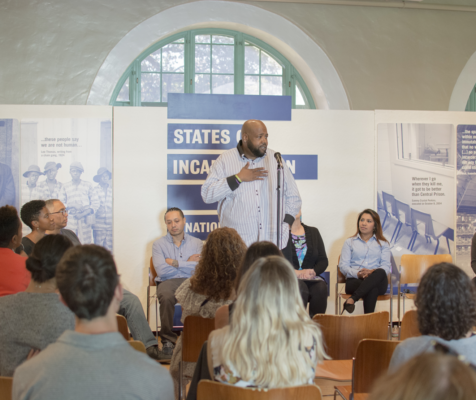
September 10, 2025 2:30-3:45, E617
Co-Creation Cafe
Join faculty and students from across the College to explore opportunities for co-creating NY stories and connecting them to other communities in the "States of Incarceration" national project.
-
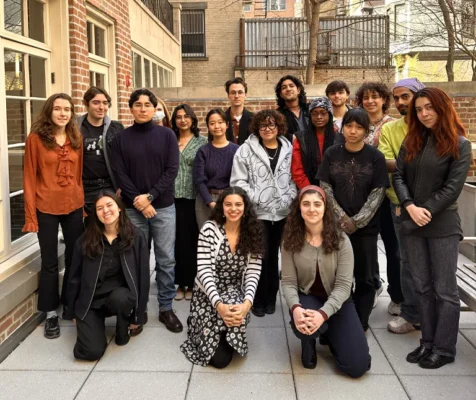
October 29, 2025 1:30pm, E617
MPHSJ Scholars Tour
The Mellon Public Humanities and Social Justice (MPHSJ) Scholars will visit the exhibit as part of their exploration of co-creation in public humanities
-
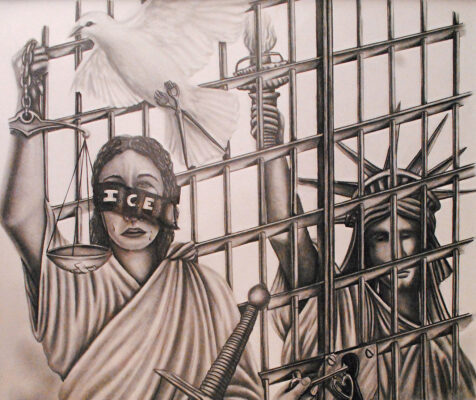
February 2-3, 2026
States of Incarceration: Connecting Stories Across Borders and Bars
This two-day convening brought together faculty, students, community advocates, and directly impacted leaders from across the country to explore the intertwined systems of immigration detention and mass incarceration—and the movements working to dismantle them.